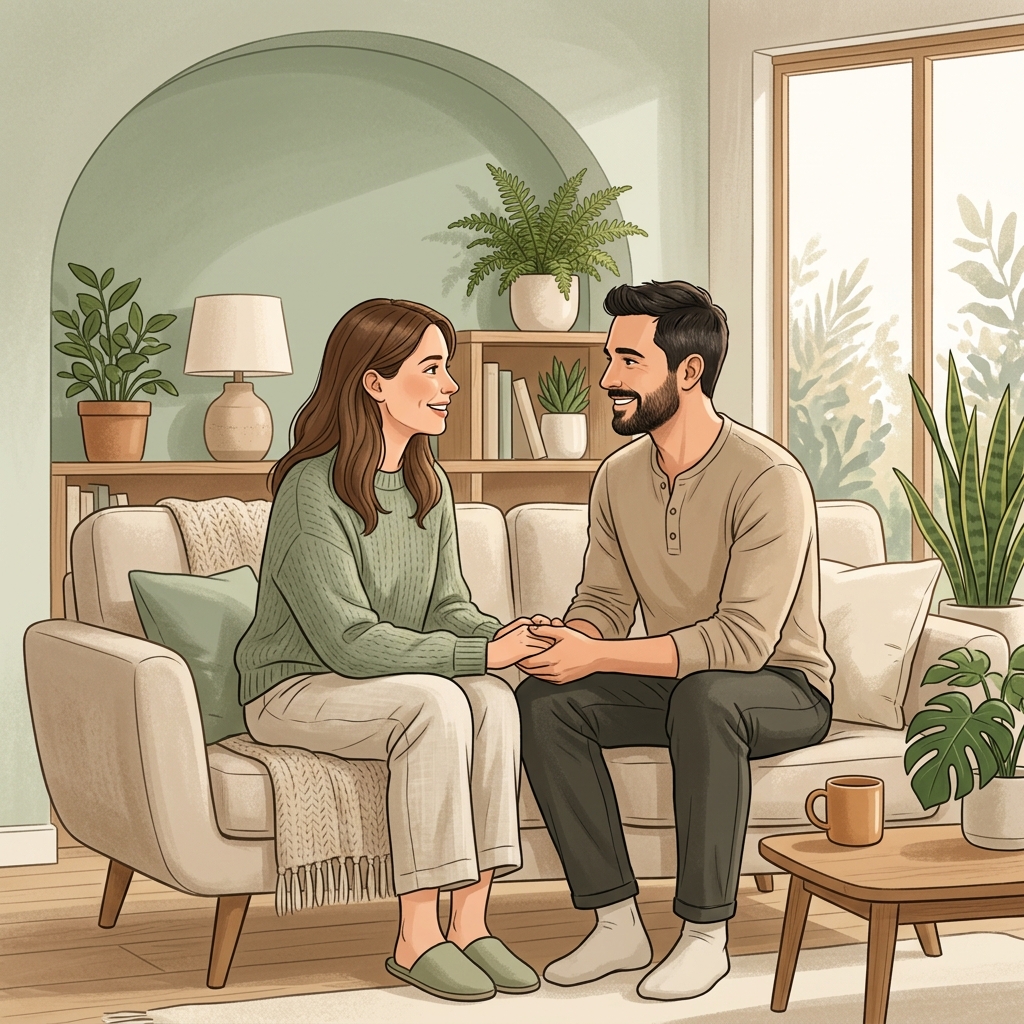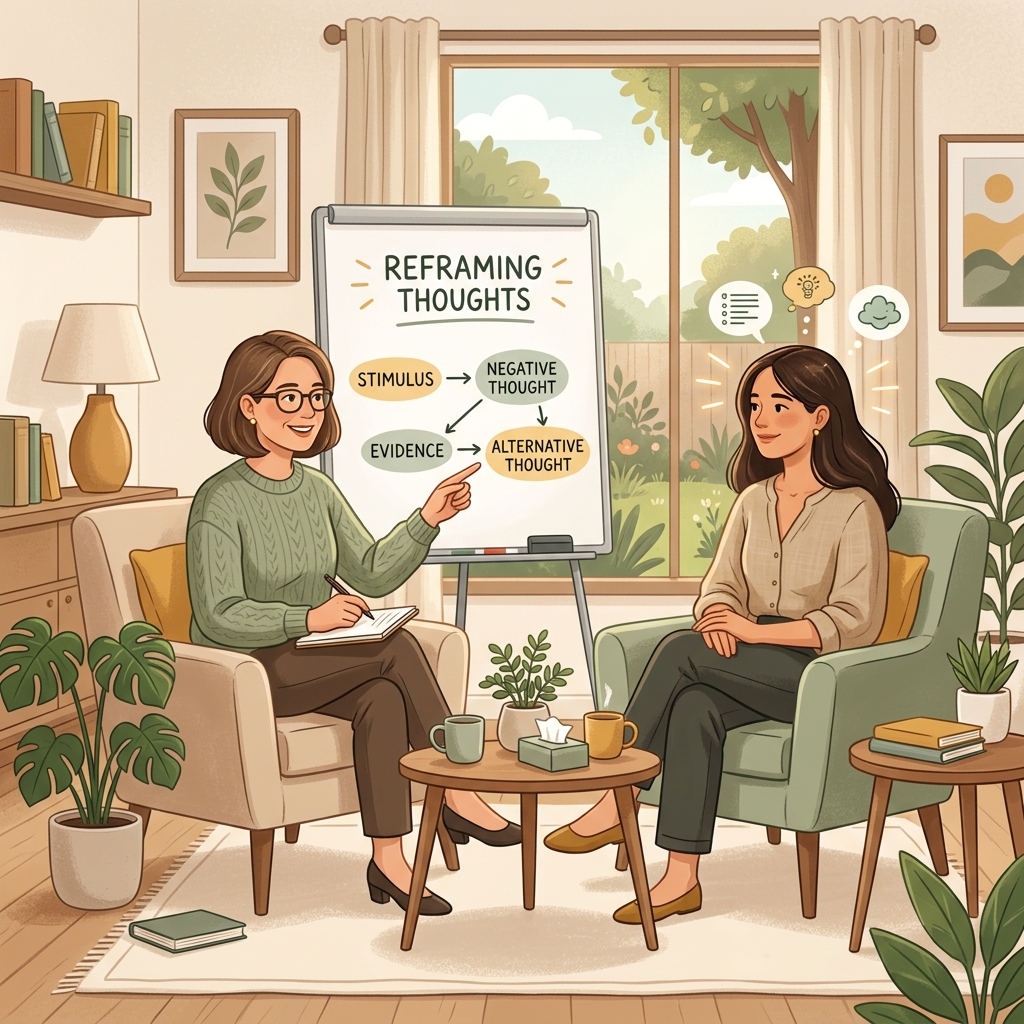
For young adults and teenagers across India, recognizing that you need professional mental health support is a courageous and empowering milestone. However, the prospect of telling your parents can feel terrifying. In Indian families, generational differences, cultural stigma around psychiatry, and the ubiquitous fear of 'log kya kahenge' (what will society say) often lead parents to react with defensiveness, dismissal, or anger. Navigating this conversation requires emotional empathy, strategic communication, and clear boundary management.
1. Understanding Where Their Hesitation Comes From
Before initiating the discussion, it is vital to understand the psychological worldview of older generations in India. Most Indian parents grew up in an era where mental healthcare was heavily stigmatized and associated exclusively with severe psychiatric hospitalization or madness ('paagalpan').
When a child says, 'I am depressed and want to see a therapist,' many Indian parents subconsciously hear: 'You failed as a parent', 'Our family is flawed', or 'You did not provide enough for me.' Their immediate dismissal ('You just need to wake up early, do yoga, or eat better') is rarely driven by malice; it is a defensive reaction rooted in guilt, fear, and lack of mental health literacy.
Approaching the conversation with empathy—recognizing their reaction comes from fear rather than cruelty—allows you to remain calm and steer the dialogue productively.
2. The Physical Health Analogy Strategy
One of the most effective communication tactics is bridging the gap using concrete medical analogies that Indian parents already accept and respect.
If you had persistent physical pain or a fractured bone, you would consult an orthopedic doctor rather than trying to fix it through willpower. In the same way, when emotional stress, anxiety, or insomnia persist for weeks, consulting a trained mental health professional is simply responsible healthcare.
Frame therapy in terms of positive functionality and career performance: 'I want to consult a counselor to learn focus and stress-management tools so that my anxiety does not affect my college exams or job performance.' Indian parents are far more receptive when therapy is linked to focus, clarity, and personal success.
- Avoid Blame: Use 'I' language. Say 'I am having trouble managing my exam anxiety' rather than 'The expectations in this house are stressing me out.'
- Educate on Counseling vs. Medication: Clarify that visiting a counselor or psychologist does not mean being put on heavy psychiatric drugs; it involves structured talk therapy and coping skills.
- Highlight Confidentiality: Reassure them that online sessions are 100% private, encrypted, and conducted from home without relatives or neighbors ever knowing.
3. Timing, Tone & The 'Patience Protocol'
Timing is everything. Never bring up therapy during a heated argument, while rushing to work in the morning, or when family tensions are already running high.
Choose a calm weekend afternoon when both parents are relaxed. Keep your tone steady, grounded, and mature. If your parents interrupt, dismiss your feelings, or get defensive, resist the urge to yell: 'You never understand me!'
Deploy the Patience Protocol: 'I understand this might feel new or concerning to you. I don't expect you to agree immediately, but I love you and wanted to be honest with you. Please think about it, and let us talk again tomorrow.' Giving them time to digest the idea without backing them into a corner leads to far better outcomes.
4. What If Your Parents Refuse to Support You?
In some families, despite your best communication efforts, parents may remain stubbornly unsupportive or refuse to fund therapy sessions. It is crucial to remember that while their approval is desirable, your mental well-being is ultimately your personal responsibility.
If you are 18 or older, you have full legal and medical autonomy to seek mental healthcare independently. Online counseling platforms like Spilbloo offer flexible, affordable per-session pricing without subscription lock-ins, allowing college students and working professionals to fund their own care discreetly.
Taking charge of your mental health is not an act of rebellion against your family—it is an act of self-preservation that enables you to break generational cycles of emotional pain.
Frequently Asked Questions
Yes. If you are 18 years or older, all consultations, session notes, and medical records are strictly protected under confidentiality laws and medical encryption. Nothing is shared with anyone.
📚 Clinical References & Scientific Sources
- Cross-Generational Mental Health Stigma in South Asian Families: Clinical Implications — Indian Journal of Psychiatry
- Communicating About Mental Health: Guidelines for Adolescents and Young Adults — American Psychological Association (APA)
- Mental Health Gap Action Programme (mhGAP) Community Guide — World Health Organization (WHO)