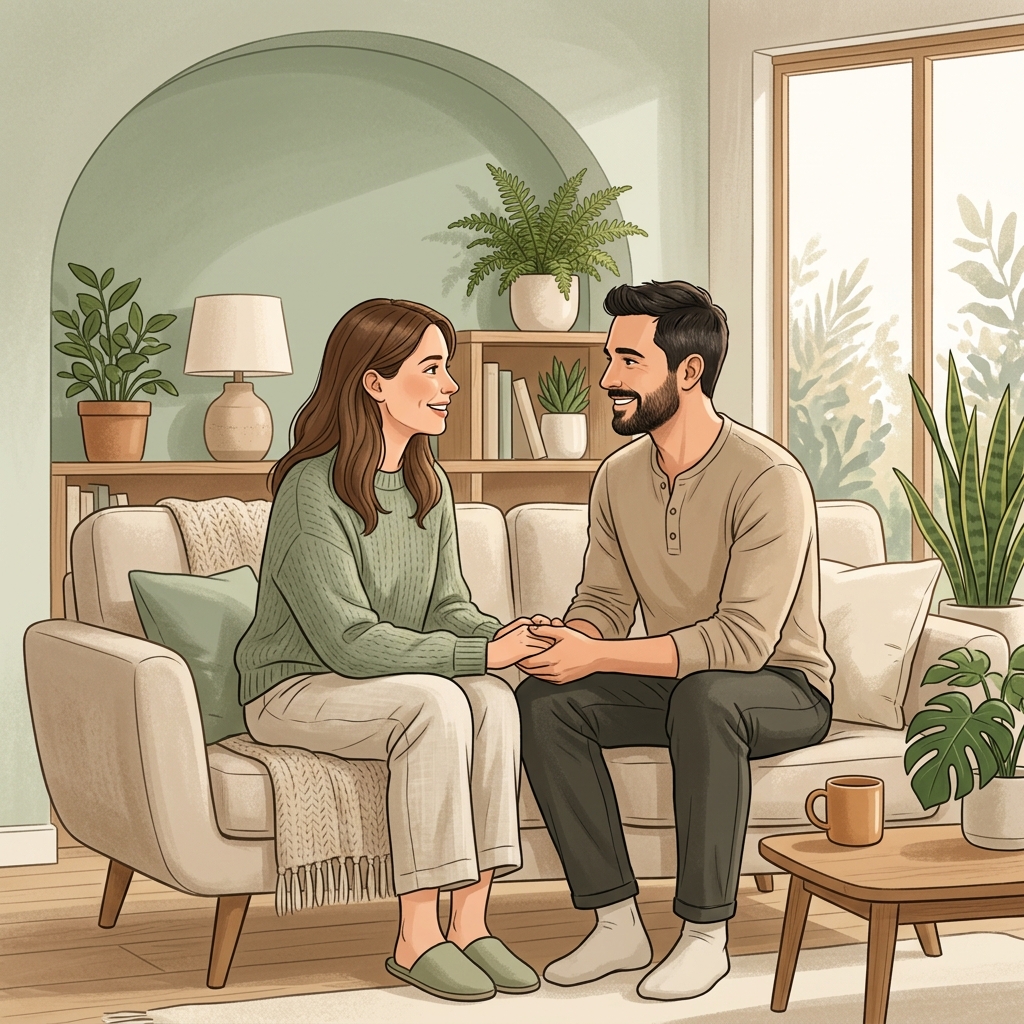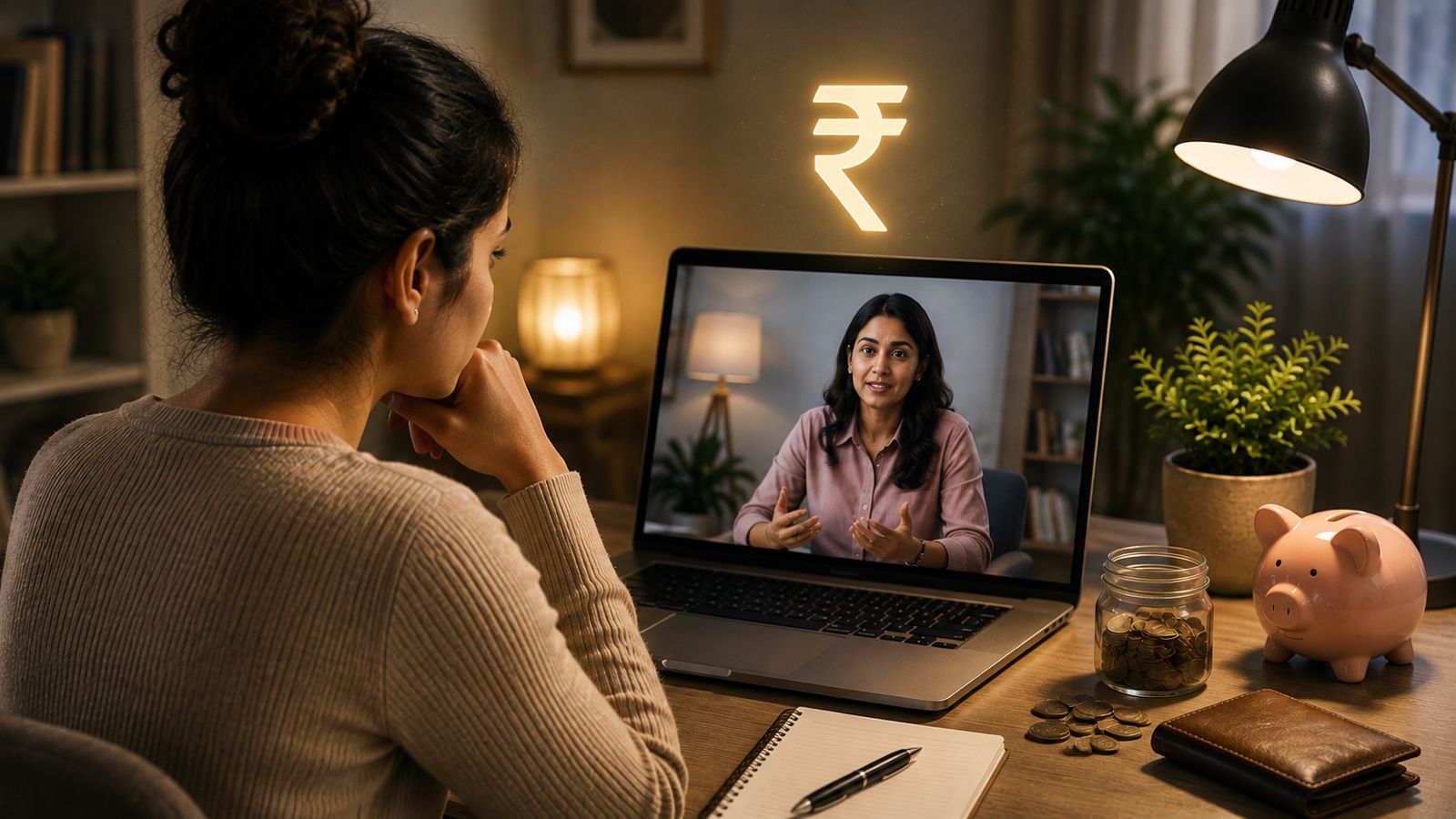
Over the past five years, digital tele-psychology has transformed how mental healthcare is delivered across India. Historically, accessing a qualified, non-judgmental clinical psychologist was restricted to residents of major tier-1 metros who had the financial freedom to pay steep clinic fees and the courage to risk social stigma by visiting a physical clinic. Today, encrypted telehealth platforms have leveled this playing field. Whether you are living in South Mumbai, an IT corridor in Bangalore, or a tier-2 city with no local psychologists, high-quality evidence-based psychotherapy is now accessible from the quiet sanctuary of your own home.
1. The Legal & Clinical Framework: Is Online Therapy Recognized in India?
Yes. Online tele-mental health operates under established statutory and clinical frameworks in India. On March 25, 2020, the Ministry of Health and Family Welfare, alongside the National Medical Commission (NMC) and NITI Aayog, formally notified the Telemedicine Practice Guidelines.
Concurrently, the National Institute of Mental Health and Neurosciences (NIMHANS) published formal tele-psychology and tele-psychiatry operational guidelines. These frameworks establish that licensed mental health professionals can legally conduct clinical evaluations, counseling, and psychotherapy via secure digital communication channels.
Furthermore, compliance with the Digital Personal Data Protection (DPDP) Act 2023 mandates stringent encryption standards, user consent architecture, and data confidentiality for telehealth platforms operating in India.
💡 Clinical Insight: Online therapy on Spilbloo operates strictly in accordance with NMC Telemedicine Guidelines (2020) and the Mental Healthcare Act (2017).
2. Clinical Efficacy: Is Online Counseling as Effective as In-Person Visits?
A frequent skepticism among first-time therapy seekers is whether a video consultation can establish the same human connection and diagnostic depth as sitting in a clinician's office.
Over two decades of international clinical trials published in The Lancet Psychiatry, JAMA Psychiatry, and the Journal of Affective Disorders conclusively demonstrate clinical equivalence. Meta-analyses examining over 20,000 patients confirm that online Cognitive Behavioral Therapy (CBT) and Acceptance and Commitment Therapy (ACT) yield symptom reduction rates identical to face-to-face clinic visits for Generalized Anxiety Disorder, Major Depression, Social Anxiety, and Panic Disorder.
Moreover, tele-therapy frequently outperforms in-person clinics in longitudinal treatment adherence. By eliminating commute fatigue, parking stress, and clinic waiting rooms, clients are 35% less likely to prematurely terminate therapy.
3. The Step-by-Step Client Journey on Spilbloo
Navigating mental healthcare should not feel overwhelming. The Spilbloo platform is engineered to connect you with specialized clinical support in under three minutes:
Step 1: Clinical Self-Screener or Direct Directory: Complete our evidence-based, 2-minute anxiety/depression screener (PHQ-4 / GAD-2) for tailored therapist recommendations, or browse our verified therapist directory filtering by specialty, language, and gender.
Step 2: Transparent Slot Selection: Choose an appointment that aligns with your lifestyle — appointments are available 7 days a week, including early mornings and late evenings.
Step 3: Secure INR Checkout: Complete booking via UPI, NetBanking, or Cards with no subscription traps or recurring charges.
Step 4: Join Your Encrypted Video Consultation: Receive your private consultation link via WhatsApp and email. Join directly from your mobile browser or laptop with zero clunky software downloads.
Step 5: Collaborative Care & Skill Practice: Receive post-session summaries, psychometric progress tracking, and structured behavioral homework between consultations.
4. What Actually Happens in Your First 50-Minute Intake Session?
Anxiety before your first therapy session is entirely normal. Knowing what to anticipate demystifies the experience:
The first session is an Intake and Assessment Consultation. Your psychologist will introduce themselves, review confidentiality boundaries, and invite you to share what prompted you to seek therapy at this specific time.
You are never forced to disclose traumatic memories or intimate secrets before you feel safe. You set the pace. Your therapist will explore your current symptoms, previous coping strategies, sleep architecture, support systems, and personal goals.
By the end of the session, you and your therapist will co-create a preliminary collaborative treatment roadmap, deciding on session frequency and identifying immediate coping tools to practice during the week.
5. Overcoming the Privacy Challenge in Indian Households
In Indian households where multi-generational families or roommates share living spaces, finding privacy for emotional conversations can be a genuine concern.
Here are clinical strategies successfully utilized by Spilbloo clients:
• Use Noise-Isolating Earphones: When you wear earphones with a built-in microphone, family members outside your room cannot hear what your therapist is saying.
• Schedule Strategic Windows: Book appointments during times when family members are at work, running errands, or early in the morning.
• White Noise Masking: Running a fan, air purifier, or playing ambient instrumental music near your closed bedroom door significantly dampens voice transmission.
• Alternative Private Spaces: Many clients comfortably conduct video sessions from a parked car, a quiet balcony, a terrace corner, or an office private meeting booth.
• Switch to Secure Chat/Audio: If speaking aloud feels unsafe on a particular day, your therapist can seamlessly transition the session to secure audio or real-time encrypted text messaging.
6. Clinical Boundaries: When Is Online Therapy NOT Appropriate?
While tele-psychology is ideal for common mental health concerns, it is not suitable for all clinical scenarios. Outpatient online counseling is clinically contraindicated for:
• Acute, active suicidal ideation with specific intent or imminent self-harm risk
• Active psychosis, hallucinations, severe paranoid delusions, or mania
• Severe chemical substance dependency requiring medically monitored inpatient detoxification
• Severe anorexia nervosa or bulimia with critical medical instability
In such acute emergencies, immediate in-person psychiatric hospitalization is necessary. National 24/7 crisis support is available via Tele-MANAS (14416) and KIRAN (1800-599-0019).
Frequently Asked Questions
Yes. Decades of clinical meta-analyses published in The Lancet Psychiatry confirm that online CBT delivers clinical symptom reduction rates equivalent to face-to-face visits for anxiety, depression, OCD, and stress.
📚 Clinical References & Scientific Sources
- Telemedicine Practice Guidelines: Enabling Registered Medical Practitioners to Provide Healthcare Using Telemedicine — Ministry of Health and Family Welfare, Government of India & NITI Aayog
- Tele-Mental Health in India: Operational Guidelines and Ethical Standards — National Institute of Mental Health and Neurosciences (NIMHANS)
- Computer- and Internet-Based Interventions for Depression and Anxiety: Systematic Review — The Lancet Psychiatry
- Digital Personal Data Protection Act, 2023 (Act No. 22 of 2023) — Ministry of Law and Justice, Government of India
- The Efficacy of Telepsychology Interventions: A Meta-Analysis of Clinical Outcomes — World Psychiatry (Official Journal of the World Psychiatric Association)